

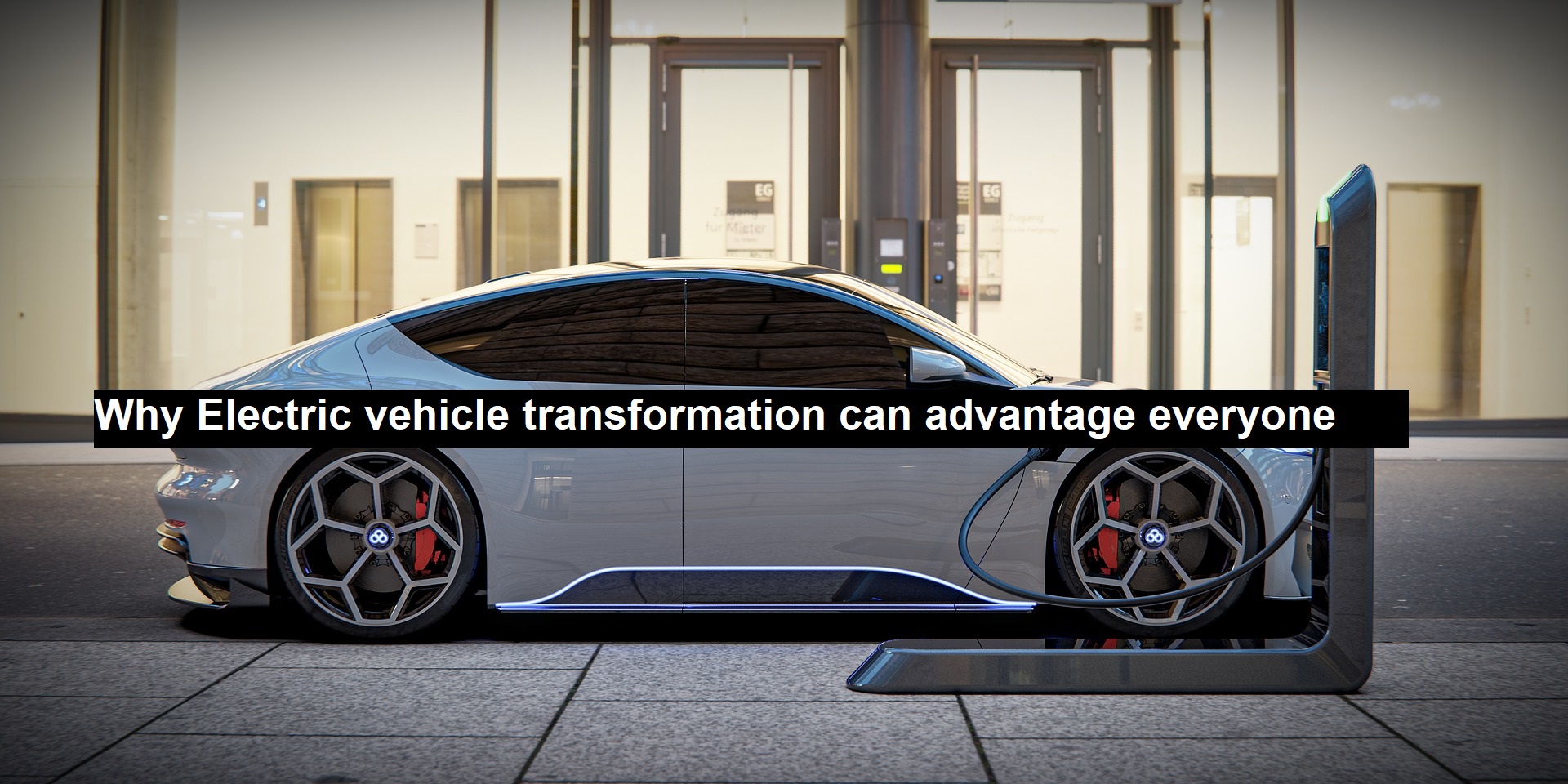
The mainstreaming of EVs will affect everything from the discuss you breathe to the cash you spare, indeed if you don’t drive one.
Electric vehicles (EVs) right now make up around 1 percent of all the cars, vans, trucks, and SUVs on the street in the Joined together States. But that’s almost to alter. Final year, one in seven traveler vehicles sold around the world was electric. Car customers will before long have handfuls of unused electric models to select from as automakers include more available alternatives to their lineups. And a wave of states—including California, Unused Shirt, and Modern York—will stage out the deal of unused gas-powered vehicles by 2035. In the interim, both the private and open segments are hustling to zap their dirtiest diesel armadas, from semis to conveyance trucks to city buses, in arrange to meet U.S. emanations diminishment goals.
In other words: The EV transformation is upon us, and the benefits might be far-reaching—even for those of us who never arrange to get behind the wheel of an EV. Here’s how:
Cleaner discuss and superior health
Did you know that gas- and diesel-powered vehicles regurgitate health-harming particulate matter into the discuss, causing tens of thousands of untimely passings in the Joined together States each year? EVs, by comparison, deliver zero tailpipe outflows. So the more EVs utilized over individual, open, and commercial transportation, the way better the results for our open wellbeing.
In California, the state with the most noteworthy number of EVs, inhabitants are as of now beginning to advantage. In a later consider centered on California’s EV move, analysts found that expanded EV appropriation driven to quantifiably progressed discuss quality and less asthma-related clinic visits. Another ponder anticipated that, by 2050, EVs would save Angelenos alone an evaluated $12.6 billion in yearly related health-care costs.
This kind of affect is especially crucial for low-income individuals and individuals of color, whose homes are more likely to sit following to cargo centers and inside high-traffic hallways since of a long history of supremacist arrangements that utilized interstates to isolate communities. As a result, those communities confront compounding sources of discuss contamination, which result in lung and cardiovascular issues. Making EV selection more reasonable and charging foundation more far reaching will moreover be critical to this move.
New employments and financial development
The EV transformation has the potential to make tremendous financial openings. Between 2020 and 2021, the number of EV occupations developed 26.2 percent in the Joined together States, and a quarter of all declared worldwide EV ventures through 2030 are headed for the Joined together States. But making the most of this quickly growing advertise will require ventures at the neighborhood and government levels as well as deliberateness arrangements and directions.
Thankfully, there’s a combined $245 billion in government EV venture from the Bipartisan Foundation Law and the Expansion Decrease Act. This subsidizing is anticipated to goad household generation of EVs and their batteries, as well as the development of the nation’s charging arrange. Inside and out, this will make tens of thousands of unused high-quality autoworker, development, and circuit repairman occupations in communities over the nation.
In terms of controls, the U.S. Natural Assurance Office (EPA) has as of late proposed government clean car guidelines and clean truck benchmarks covering semis and neighborhood conveyance trucks. If the EPA receives the most grounded conceivable form of these benchmarks by the conclusion of the year, the Joined together States would be on a way to finishing tailpipe contamination, securing a once-in-a-generation opportunity to clean up our transportation framework.
Lower utility costs
There’s a beautiful clear clarification for how EVs can lower utility costs. One later ponder looked at U.S. consumers’ electric bills in the benefit districts with the most noteworthy number of EVs on the street. Analysts found that, between 2012 and 2021, EV drivers really drove down power rates for all clients. That’s since individuals for the most part plug in their EVs overnight, when power request (and subsequently, weight on the network) is as of now moo. Customarily, utility companies would fair take the additional profit from these off-peak hours, but “revenue decoupling” arrangements can divert these incomes to clients in the frame of diminished bills.
Whereas these approaches are not in put in each state, more and more are presenting them. This guarantee of cheaper power is particularly great news for low-income U.S. family units, who spend an normal of 8.6 percent of their wage on vitality, about three times that of higher-earning families.
Quieter roads
Chronic commotion contamination has been connected to stretch, hearing harm, rest unsettling influences, and indeed heart illness. And no one needs to tell you that combustion motors are famously boisterous, especially in congested cities and along thruways. But compared to combustion-engine vehicles, EVs are about noiseless when traveling at moo speeds. So calm, in truth, that EV producers introduce outside speakers that create commotion when traveling gradually to alarm people on foot and others on the street. As EV appropriation picks up, the surge hour soundscape will likely be distant quieter—and more pleasant—than the one we listen to.